Where farming fish means restoring nature
Esteros Lubimar is the evolution of a vision—where farming fish means restoring nature, not depleting it. Nestled in the estuaries of Cádiz, Spain, this pioneering aquaculture farm revives the art of extensive, regenerative seafood production once championed by Veta La Palma - the very farm celebrated by Chef Dan Barber in The Third Plate and his iconic TED Talk.
Here, fish are raised in harmony with the tides, in vast semi-natural lagoons, feeding on the estuary’s rich plankton and algae. The result is seafood of exceptional flavor and nutritional value, prized by world-class chefs and grown without compromising the environment. Esteros Lubimar is not just a farm - it’s a thriving ecosystem that feeds both people and the planet, offering a bold new blueprint for the future of aquaculture.
A confluence of land and sea
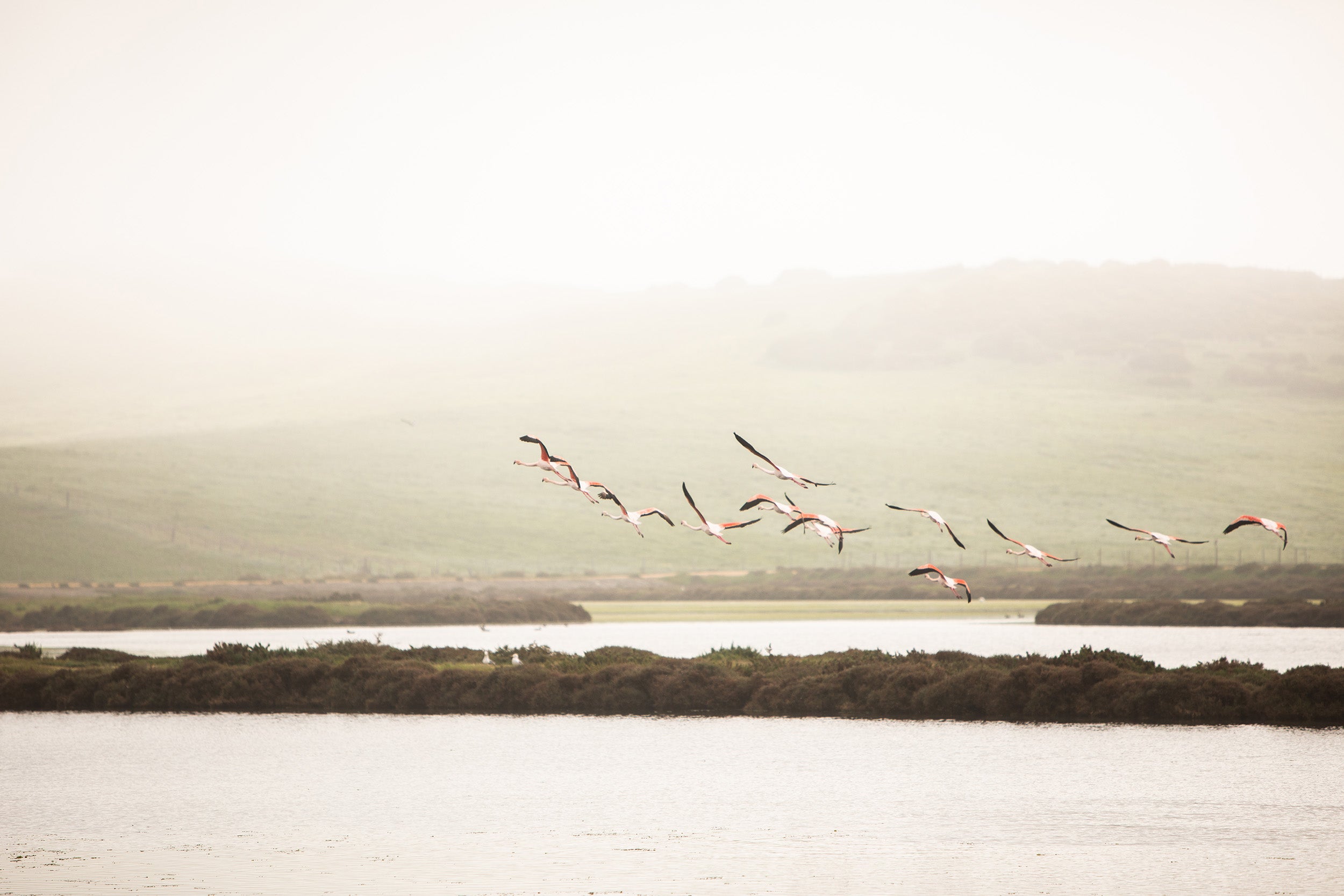
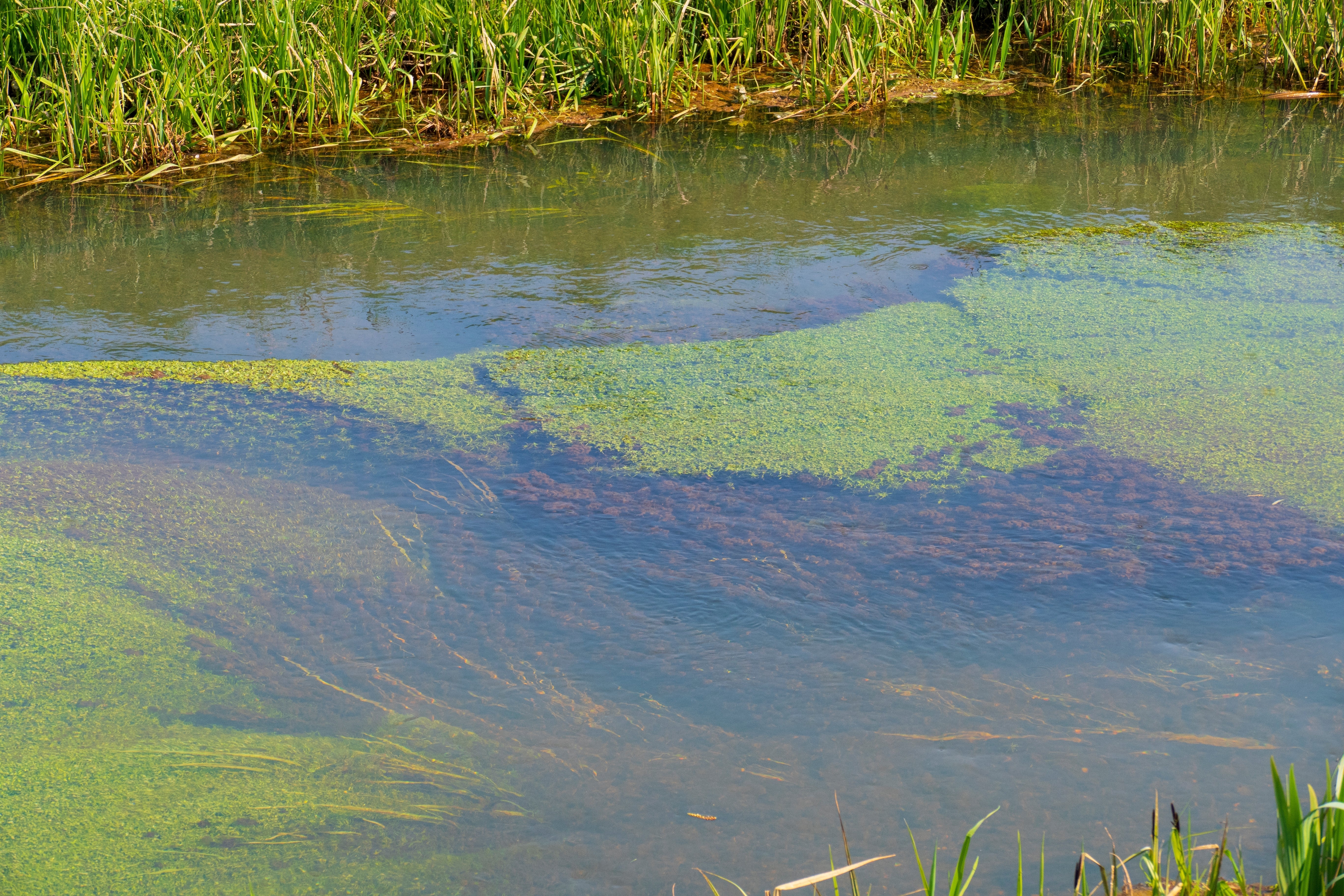
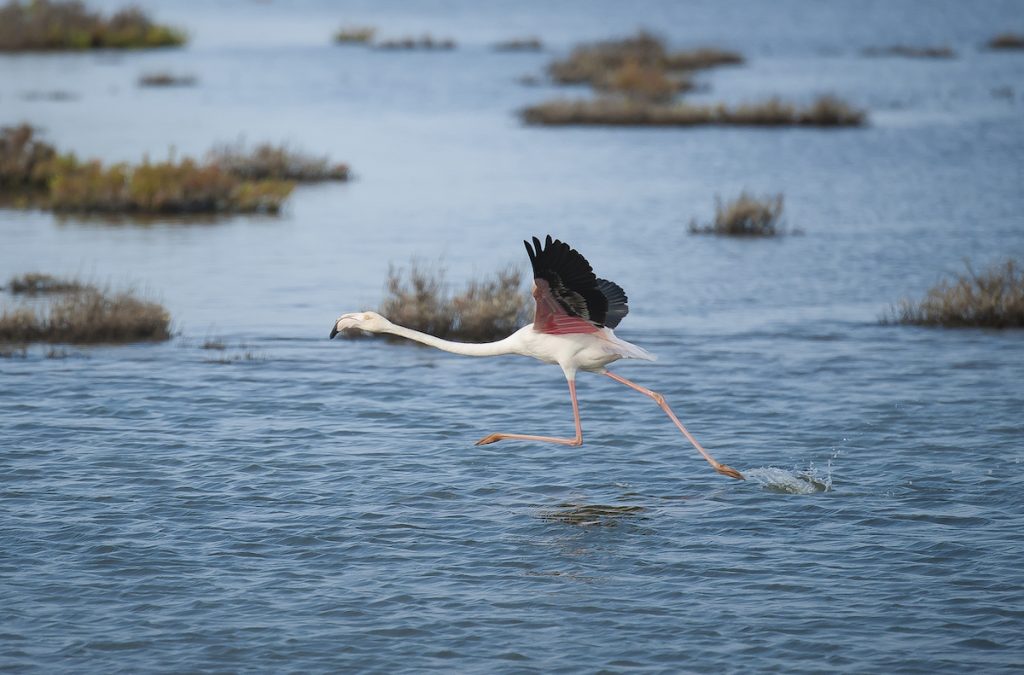
These nutrient-dense estuaries of the Guadalquivir River serve as vital nurseries for marine species, migratory stopovers for birds, and natural aquatic vegetation that filters and oxygenates the water. Shaped by centuries of tidal rhythms and traditional salt farming, the estuaries provide a pristine environment for raising fish. Their dynamic ecosystems support a delicate balance of plankton, algae, and low-trophic organisms, creating an ideal, self-sustaining food web.

A new wave of aquaculture
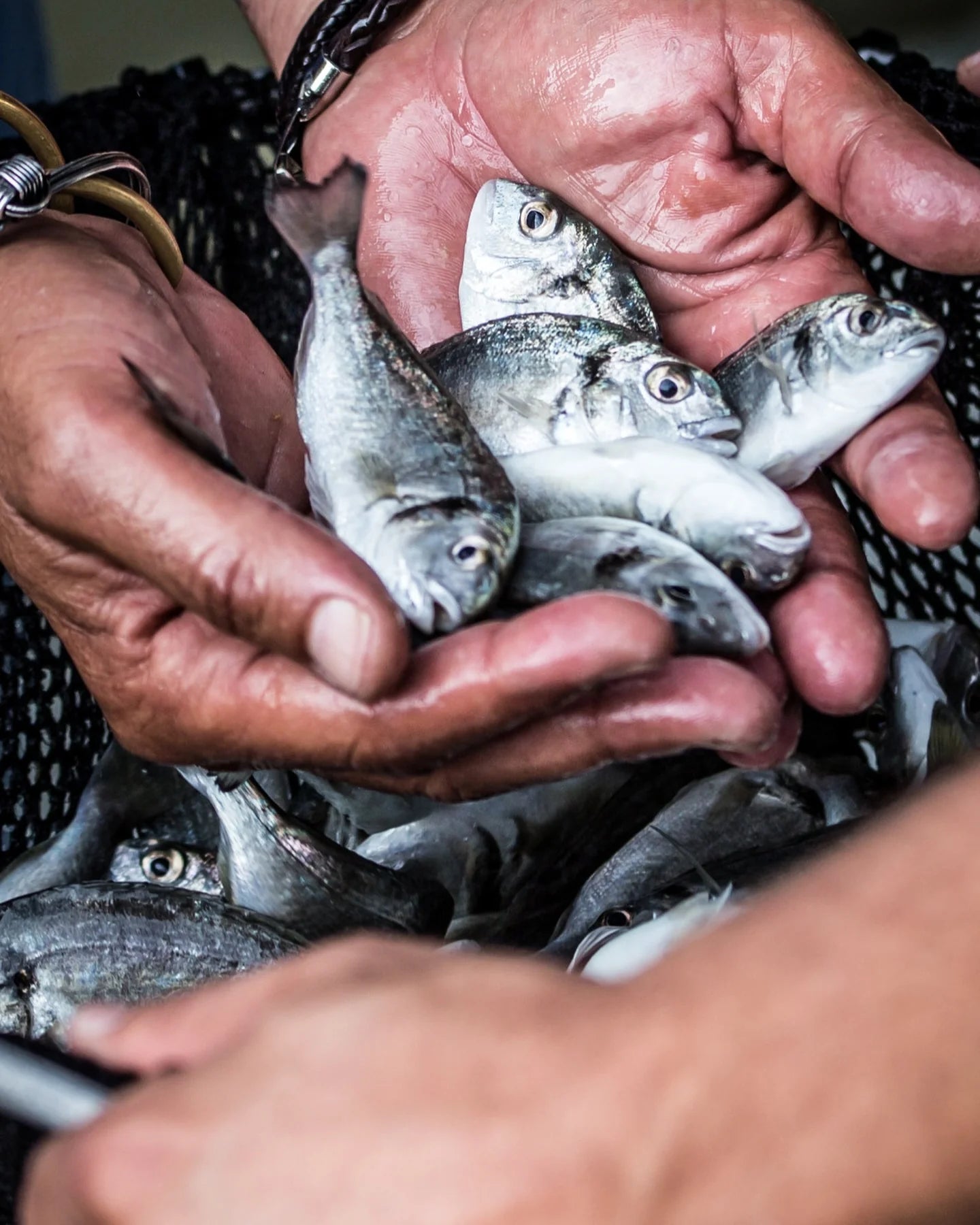
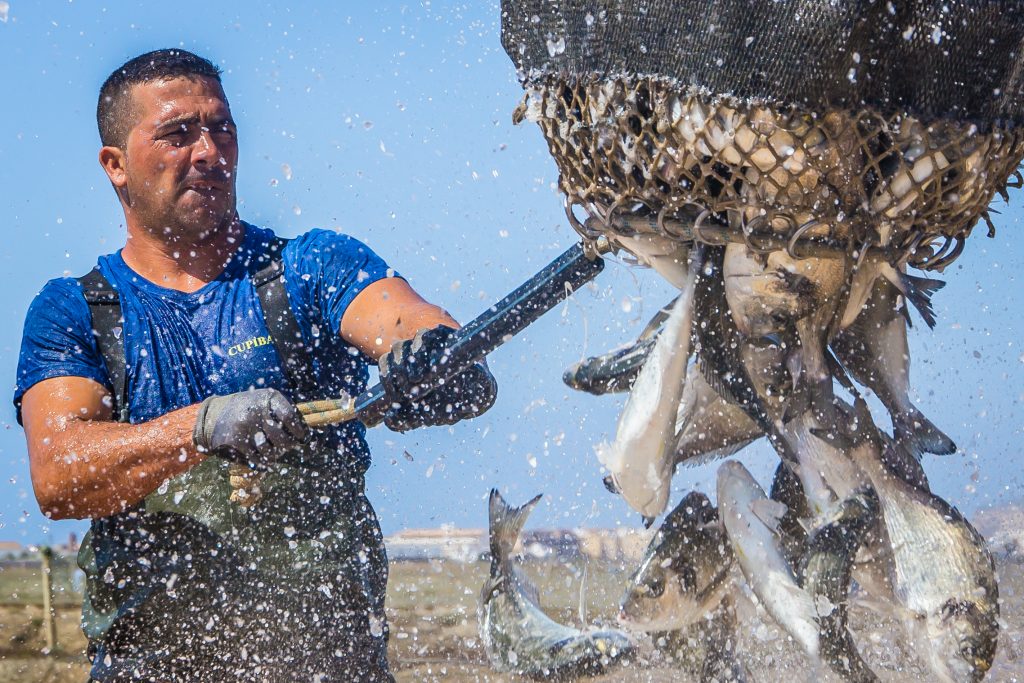
At Esteros Lubimar, bream and branzino feed the way nature intended, grazing freely on the diverse array of nutrients found in the estuarine ecosystem.
Their diet consists of naturally occurring plankton, algae, and low-trophic organisms like small crustaceans and mollusks that flourish in the nutrient-rich waters of the Cádiz estuaries.
To account for any seasonal or tidal variations, and to ensure fish get enough calories, their diets are supplemented by a natural, non-GMO feed supplement of plant proteins and algae. This natural food web not only supports the health and vitality of the fish but also enhances their flavor, resulting in clean, oceanic notes and a superior texture and removes the need for any antibiotics or special treatment.
By eliminating the need fish 100% raised on conventional feed, Esteros Lubimar reduces environmental impact and feed-related emissions, creating a closed-loop system where the ecosystem sustains itself. It’s a result that is enabled by it's philosophy, and one that we seek to replicate.
Esteros Lubimar - in harmony with nature
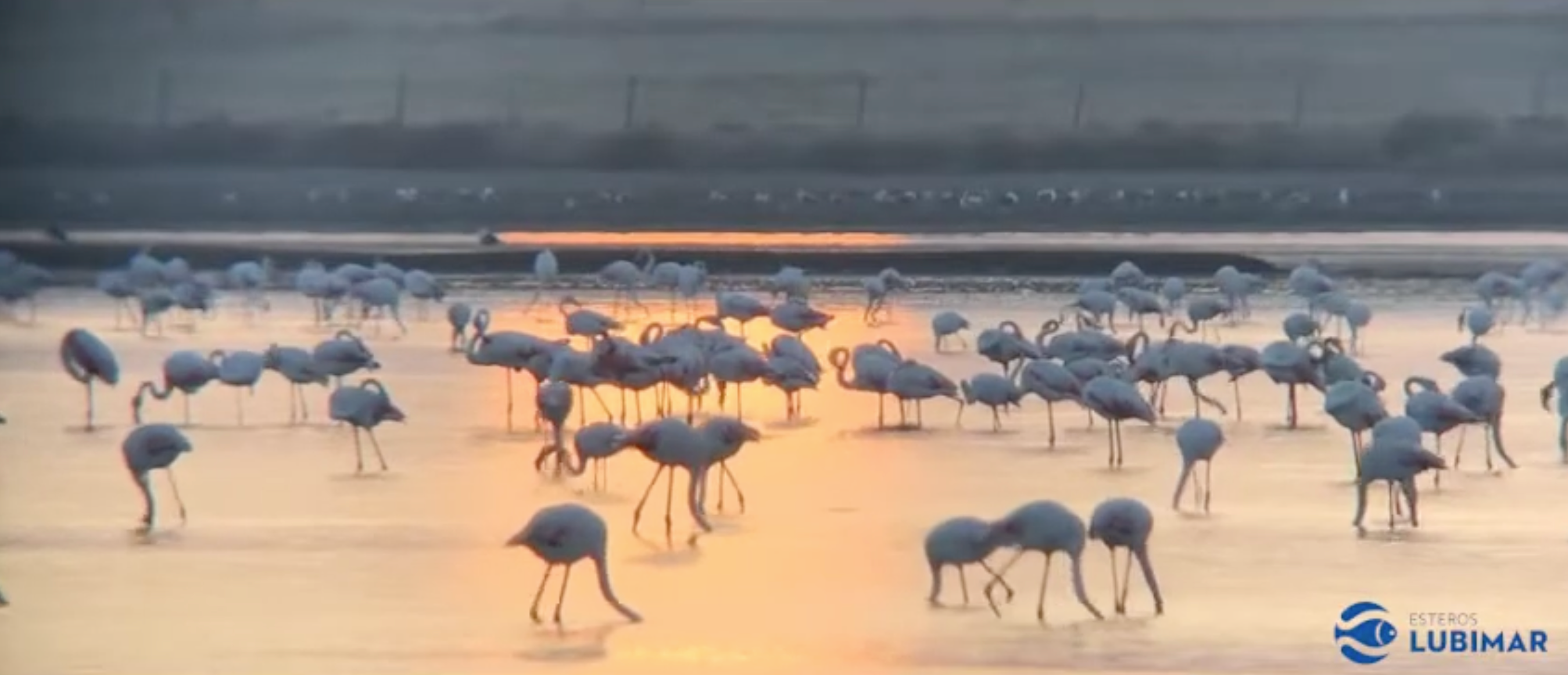
The estuary harbours a fascinating combination of wildlife, and Esteros Lubimar consider themselves stewards and wardens of this very special place. Watch their video to dive into the estuary.
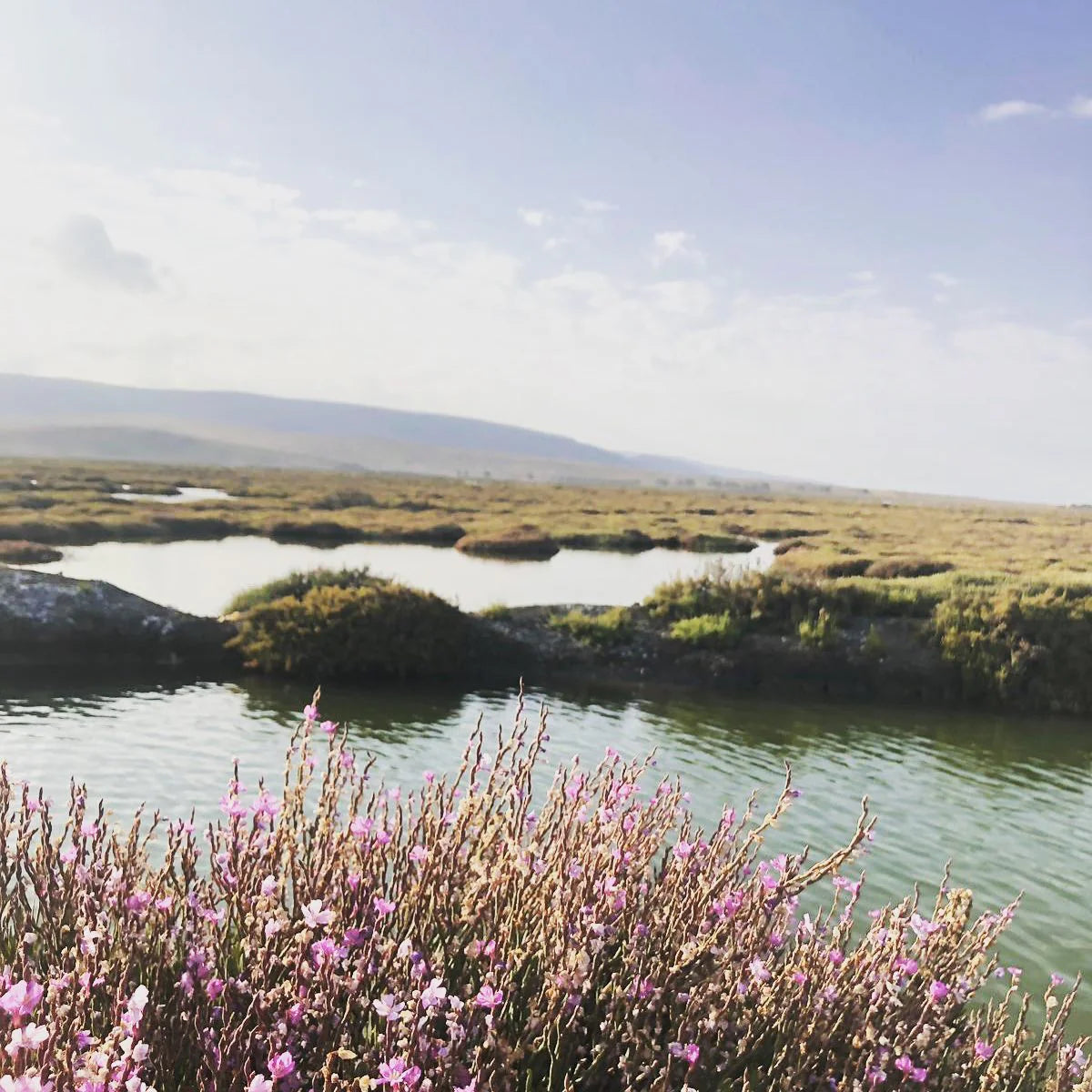
from Esteros Lubimar
Branzino and Sea Bream

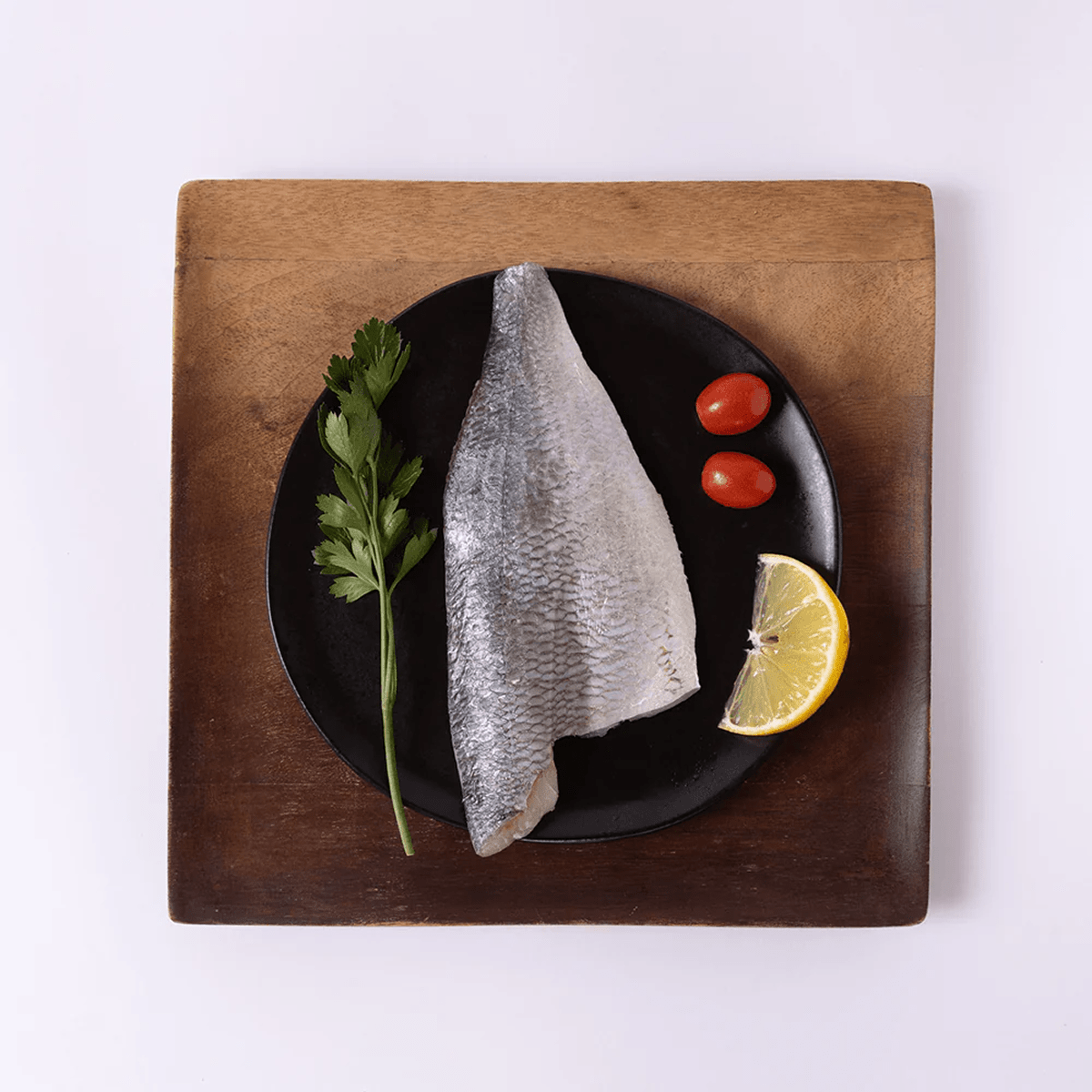
Delicate and mild with a silky flake — ideal for whole roasting, grilling, or refined whitefish recipes.

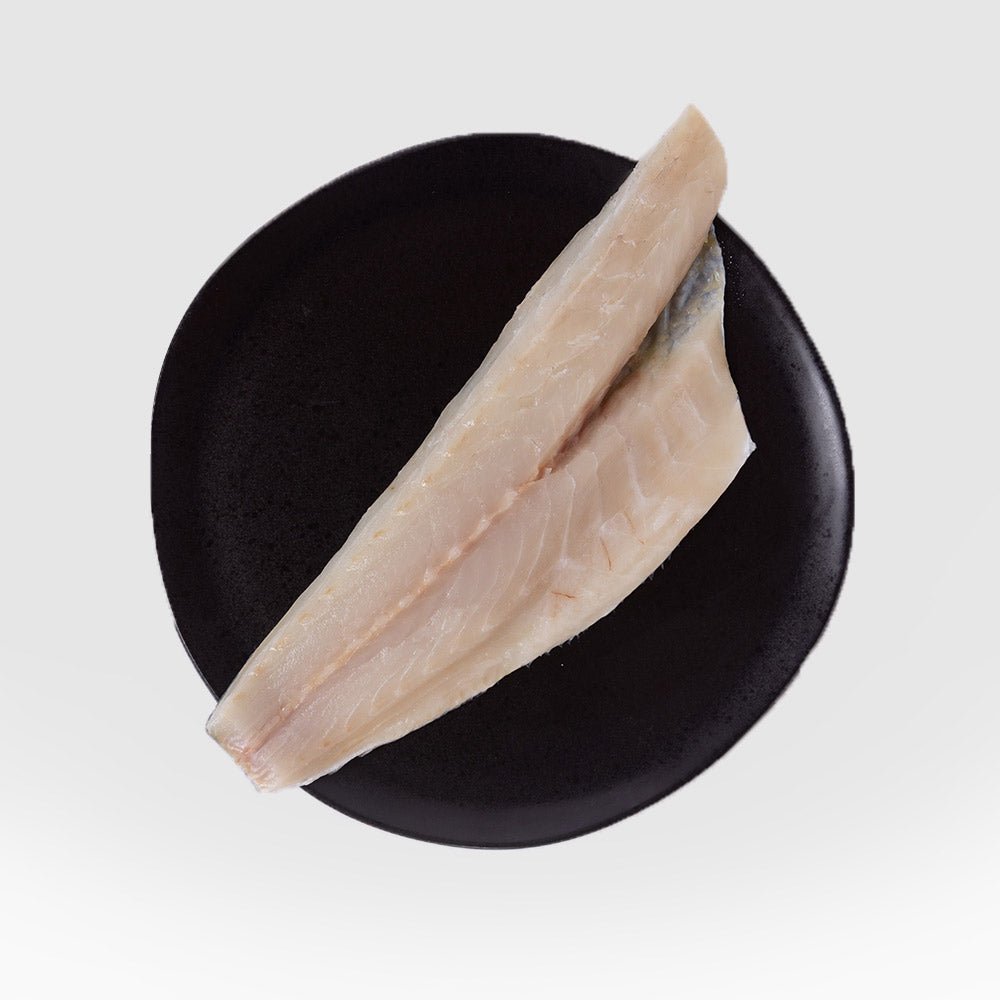
Pristine and flaky with a subtle ocean sweetness — the quintessential Mediterranean whitefish
What do the fish eat? - Fish feed FAQ
Feed is the single biggest factor in how clean and how nutritious a fish is. A fish is built from what it eats, which means the feed decides its omega-3s, its mineral profile, and how much mercury or microplastic it carries. That's why we treat feed as a sourcing requirement rather than a farm detail, and why every farm we work with has to tell us exactly what goes into the pellet.
Feed varies by farm, by species, and by stage of growth.
What can be in it?
Algae oil:
The original source of EPA and DHA omega-3s. Fish don't make omega-3s, they accumulate them from what they eat. Algae is where those fats come from in the ocean too.
Marine ingredients (fishmeal, fish oil):
Protein and fats in the form fish evolved to digest. We work to reduce this share over time, not eliminate the nutrition it provides. A large amount of marine ingredients already come from offcuts, meaning parts of fish that are not suitable for human consumption, and so reducing ocean impact further.
Plant proteins (soy, pea, barley, corn, pistachio):
Non-GMO, high-protein, highly digestible. Replaces wild-caught protein without issues for the fish, reducing ocean impact.
Amino acids and minerals:
Fills the specific nutritional gaps plant proteins leave, so nothing is missing from the diet.
Astaxanthin:
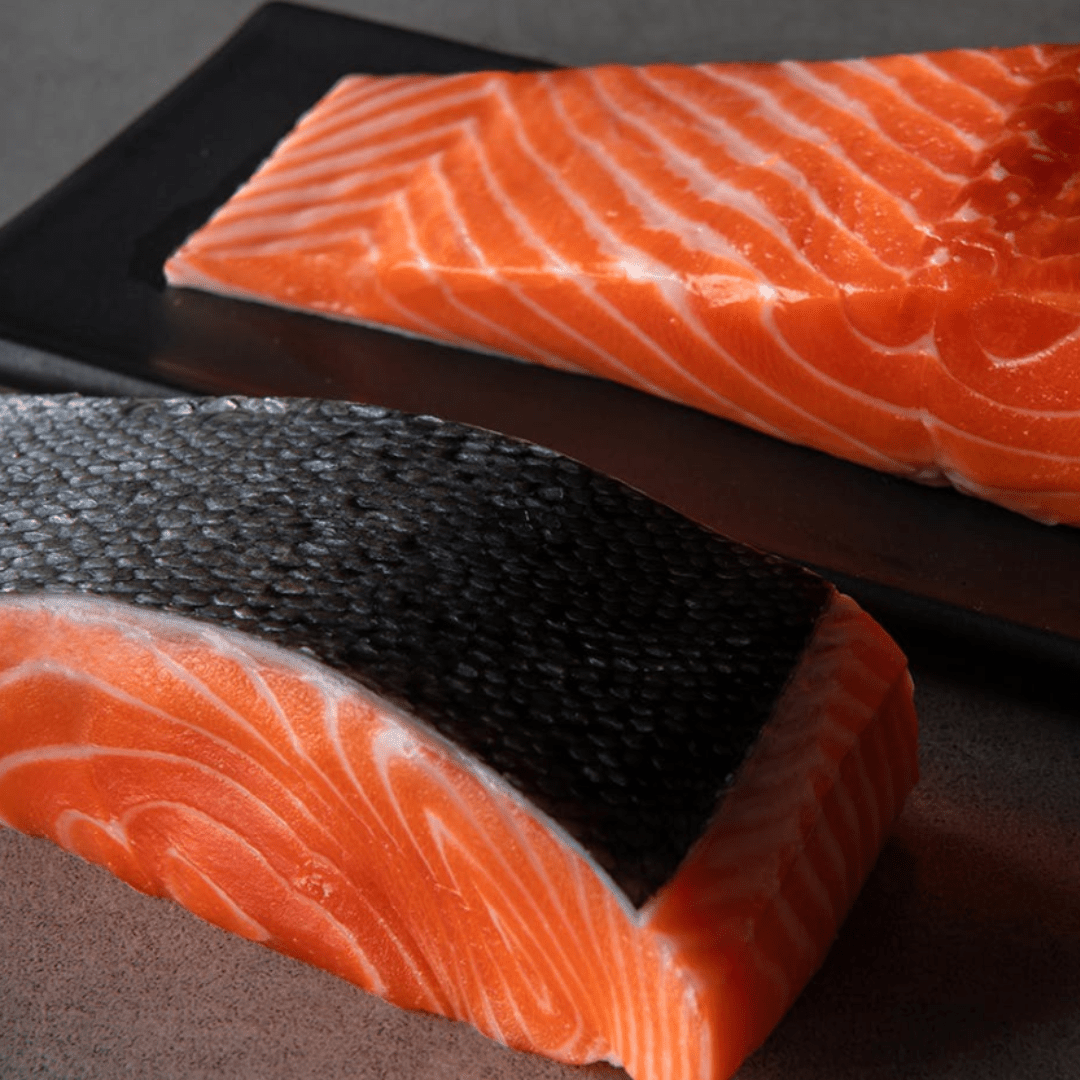
A naturally occurring carotenoid, the same one found in kelp, krill and shellfish. It's an antioxidant for the fish and the reason salmon flesh is pink.
What's never in it?
Preventative antibiotics, hormones, GMOs, synthetic colouring agents.
Why is there plant protein in fish feed?
Because the alternative is more wild fish. Aquaculture used to run almost entirely on fishmeal and fish oil, which meant catching enormous volumes of small wild fish to grow larger ones. Swapping part of that for high-protein plants takes pressure off those wild stocks while still giving the fish bioavailable protein.
There's a second reason: wild fish carry what the ocean carries. Less wild fish in the feed means less mercury, fewer microplastics and lower parasite risk arriving in your fillet. A controlled diet is what makes a clean fish possible.
Are the fish dyed?
No. Post-harvest colouring agents are prohibited across everything we sell. Colour comes from astaxanthin in the feed, a natural carotenoid found in kelp, krill and shellfish. Wild salmon get their colour the same way. So do flamingos.
Lab tested to ensure it meets the Seatopia Standard
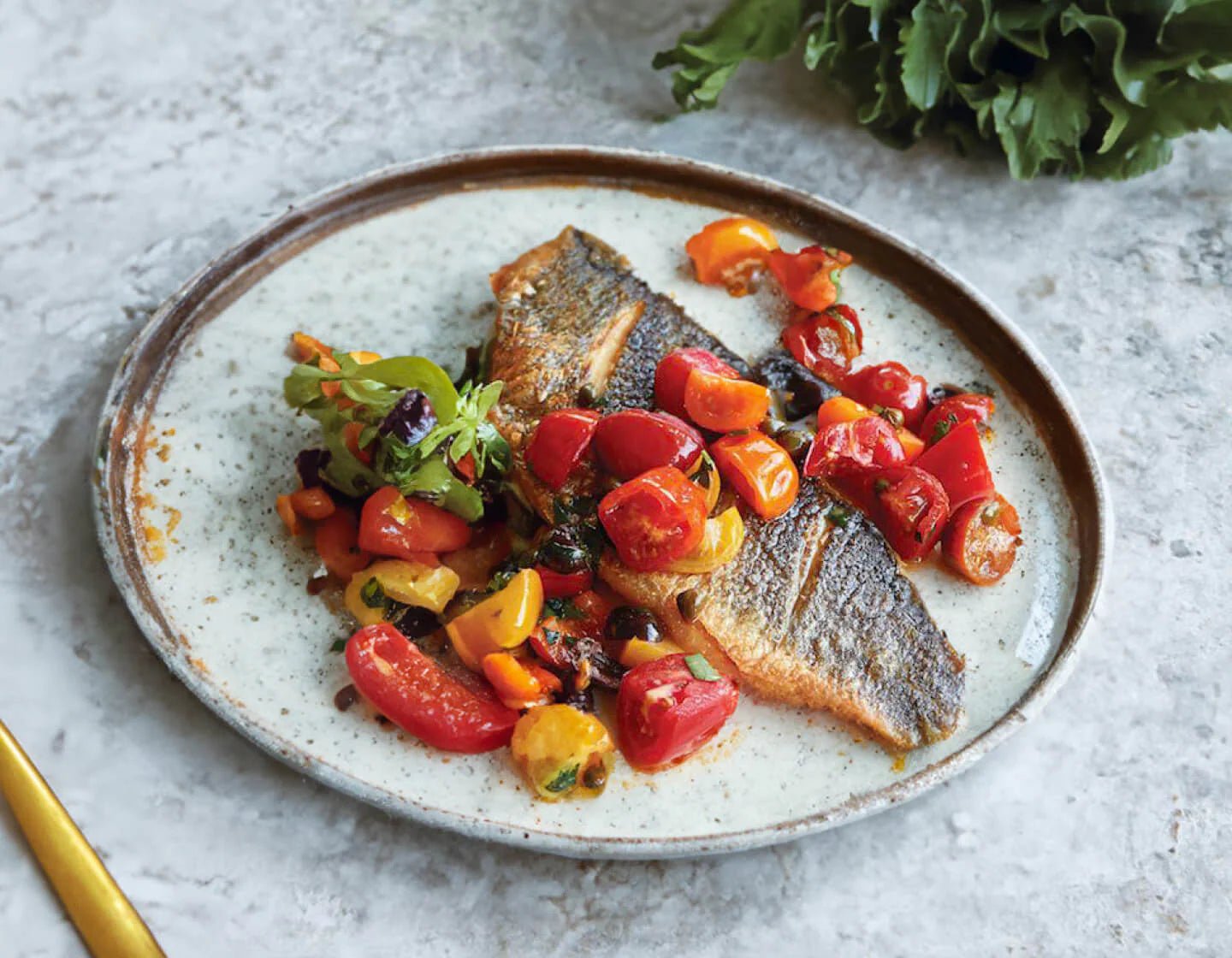
Esteros Lubimar raises branzino (aka European/Mediterranean sea bass), and sea bream (aka dorade, or gilt-head bream), which are uniquely suited to the estuary's waters and feed on the microorganisms that live there. These Mediterranean natives are similar in taste, and both thrive in the calm, brackish waters of the Guadalquivir, where they graze naturally on plankton, algae, and small invertebrates, developing rich, a flavors and firm, flaky textures. The result is an incredible sweetness and versatility, and a golden layer of fat, reflective of their diet. Both fish are celebrated for crisp skin when cooked whole. We think they perfectly embody the farm’s philosophy: that the best-tasting fish come from environments where nature leads and humans listen.
Branzino and Sea Bream Recipes
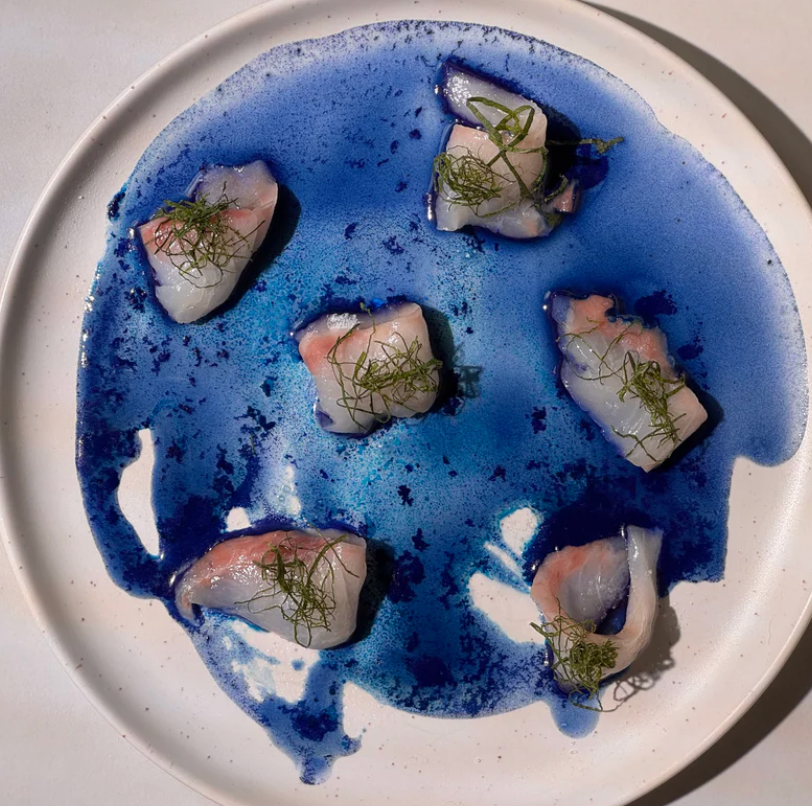
Sea Bream Sashimi
Sea Bream Sashimi + Yuzu, Spirulina & Shiso
A simple, elegant dish packed with Omega-3s, spirulina, and the health-boosting properties of Yuzu, rich in vitamin C and antioxidants. Shiso adds digestive support and anti-inflammatory benefits, rounding out the superfood ingredients. Featuring Seatopia’s Sea Bream—tested with some of the highest Omega-3 levels of any fish—this recipe is both a feast for the senses and a boost for your wellness journey. Get the Recipe
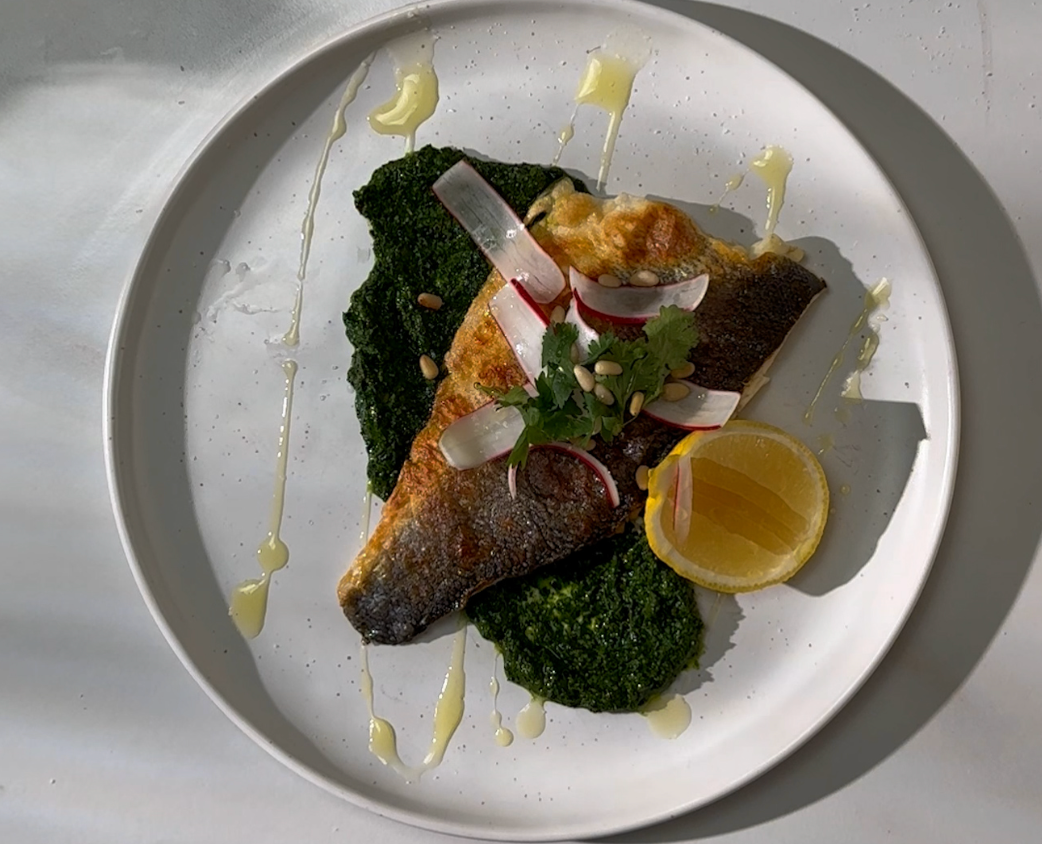
Crispy Skin Branzino
Discover the elegance of Seatopia’s sushi-grade branzino in this recipe featuring a vibrant parsley-spinach pesto. This dish highlights the freshness of toasted pine nuts, lemon, and extra virgin olive oil, paired perfectly with seared branzino.
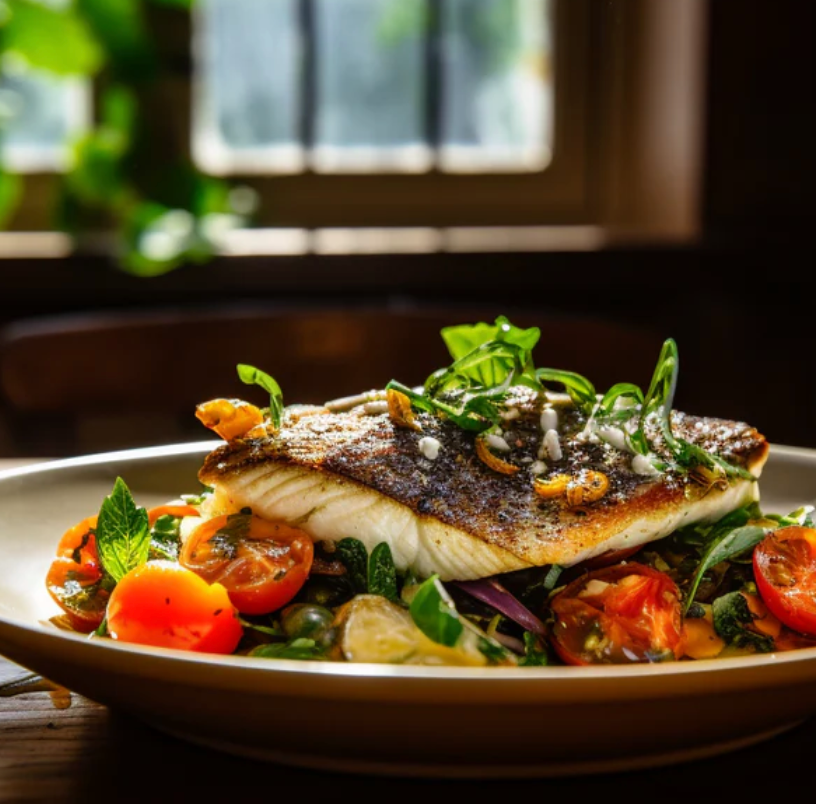
Branzino Salad
Panzanella or panmolle is a Tuscan and Umbrian chopped salad of soaked stale bread, onions and tomatoes that is popular in the summer. It often includes cucumbers, sometimes basil and is dressed with olive oil and vinegar. It is also popular in other parts of central Italy. Paired with clean Mediterranean Seabass its a classic staple of the Mediterranean diet.